

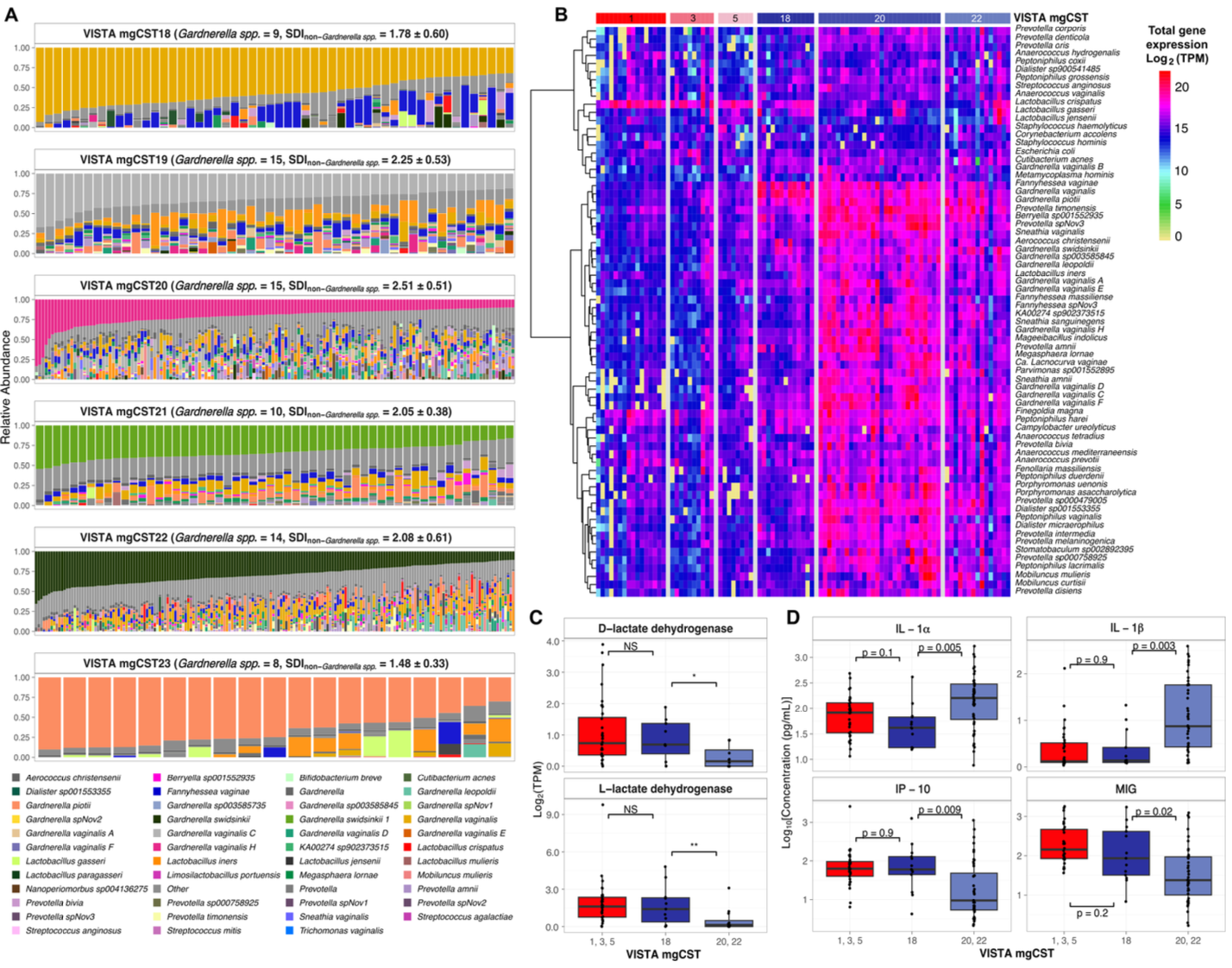
tl;dr: Our lab showed that vaginal microbiomes that look the same by species can behave very differently under the hood. Using a huge gene catalog and a new tool we built (VISTA), we uncovered functional subspecies and 25 detailed community types that explain why some Gardnerella-dominated microbiomes cause inflammation while others do not. In other words, not all “BV-like” microbiomes are equally harmful—the functional gene content and strain makeup determine the immune response. This new gene‑based framework gives a much clearer, more precise way to classify vaginal microbiomes and will help guide better diagnostics and targeted treatments.

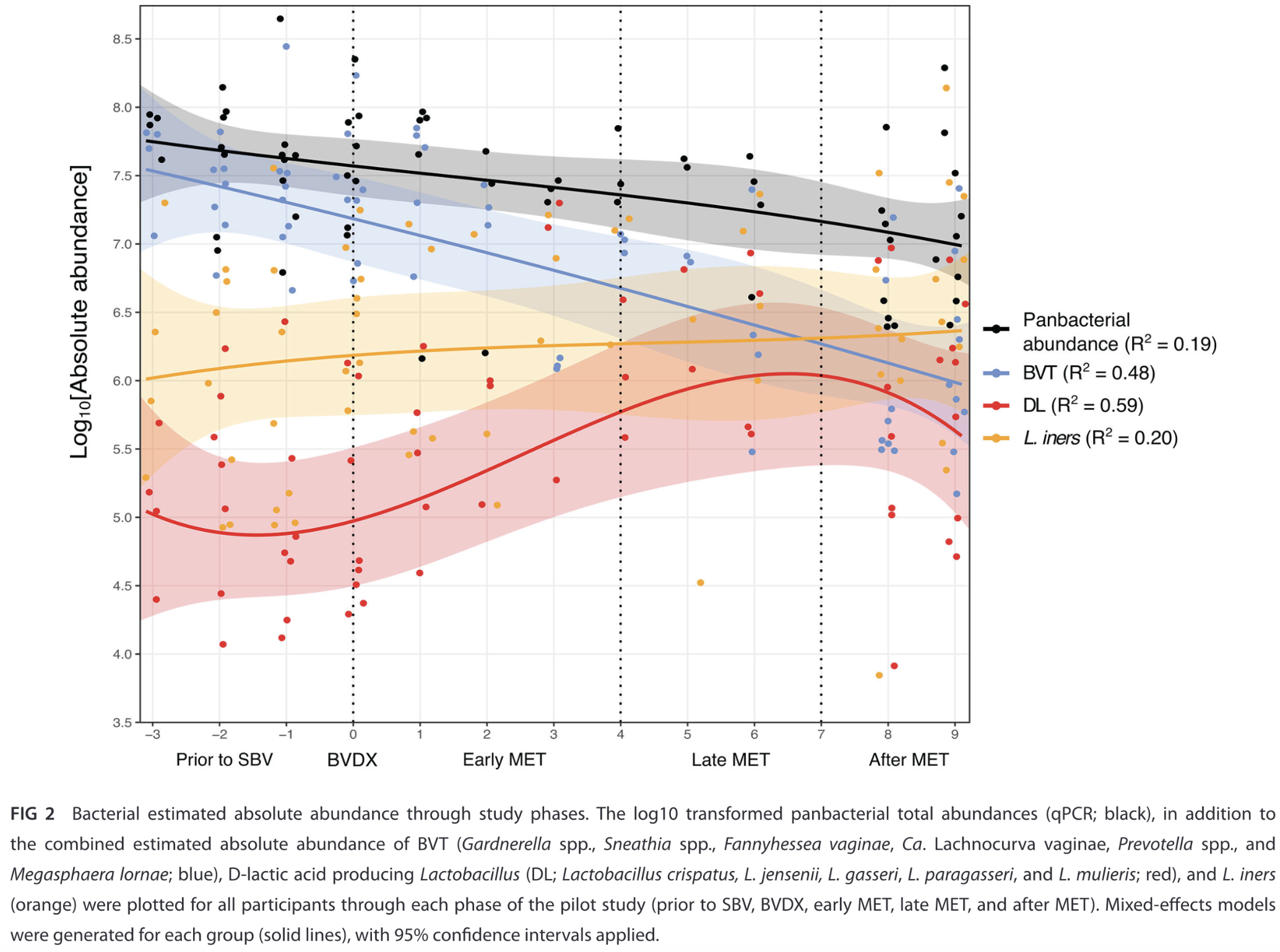
tl;dr: In our study, we followed women every day as they took antibiotics for BV. We saw that the medicine worked quickly at first, lowering the bacteria and inflammation that cause BV — but the improvements didn’t last long. Early in treatment, the “good” bacteria briefly started to come back, which tells us there may be a short window when adding probiotics or other supportive treatments could really help. After treatment ended, though, the BV‑causing bacteria often returned fast, while the good bacteria did not. We also found two immune markers that closely tracked these changes, which might someday help doctors identify BV or monitor treatment more easily.

What Your Vaginal Microbiome Can Tell You About Your Overall Health

The Vaginal Microbiome May Affect Health More than We Thought